Uncategorized · 27 November 2026
How to Wash and Dry a Wool Sweater: Start with the Care Label
Quick answer
Wash a wool sweater at home only when its care label permits it. Follow the stated hand- or machine-washing method, use a mild detergent suitable for wool, and avoid rubbing or wringing. Dry knitwear flat unless its label explicitly permits tumble drying. A “dry clean only” instruction is not permission to try a gentler hand wash. (ftc.gov)
1. Read the washing and drying instructions before adding water
Start with the sewn-in care label—not just the fiber-content label. “100% wool” tells you the material, but it does not establish whether the finished sweater is washable. Woolmark notes that care instructions vary between garments, including different styles and constructions. (woolmark.com)
Use this first decision:
| Label instruction | What to do |
|---|---|
| Hand wash | Follow the hand-washing method and any stated temperature limit. |
| Machine wash | Use the permitted temperature and gentle program; check drying instructions separately. |
| Dry clean only | Take it to a professional cleaner rather than washing it at home. |
| Do not wash | Do not immerse it; check the remaining instructions for the permitted cleaning method. |
| Do not tumble dry | Keep it out of the dryer, even if machine washing is allowed. |
These instructions describe different permissions: machine-washable does not automatically mean tumble-dryable. (woolmark.com)
There is also an important distinction between “dry clean” and “dry clean only.” The FTC explains that manufacturers need list only one safe method when both washing and dry cleaning work. However, “dry clean only” requires evidence that washing would damage the garment. A plain “dry clean” label therefore does not prove washing is impossible—but it does not give you a verified home-washing method either. Ask the manufacturer before experimenting. (ftc.gov)
If the label is missing or unreadable, pause and seek product-specific advice.
2. Compare the whole sweater, not just its wool content
Two wool sweaters can need very different care. Consider these published manufacturer examples:
- A washable knit: UNIQLO’s Merino Sweater listing identifies the fabric as 100% wool and specifies cold machine washing on a gentle cycle. It recommends washing inside out in a mesh laundry bag and shaping after washing. (uniqlo.com)
- An embellished knit: Alice + Olivia’s Carolann Embellished Pullover has crystal embellishments, a detachable woven collar and cuffs, and a composition of 99% wool and 1% nylon. Its published instruction is “dry clean only.” (aliceandolivia.com)
Worked example: You are sorting these two sweaters for cleaning. The UNIQLO sweater can enter a cold, gentle wash following its instructions; check its sewn-in drying directions before starting. The Carolann goes into the professional-cleaning pile. Removing its detachable accessories does not provide permission to wash the remaining sweater—the manufacturer publishes no such exception. (uniqlo.com)
This is a decision-making example, not a report of hands-on testing. Nor do the listings establish which particular component determines each care instruction.
The practical lesson: do not transfer a successful routine from a plain sweater to an embellished one, even when their wool percentages are similar.
3. Prepare the sweater, detergent and drying space
Before starting a permitted wash, gather:
- A clean basin for hand washing, or access to the appropriate machine program.
- A mild, neutral detergent labeled as suitable for wool.
- A mesh laundry bag if the garment instructions recommend one.
- A clean, pale-colored, lint-free towel or a flat garment-drying screen. (woolmark.com)
Read the detergent directions for dosing rather than guessing a universal capful. Woolmark advises against heavy-duty detergents, enzyme-containing “bio” detergents, and detergents containing bleach for its Merino sweater-care method. Both chlorine and oxygen bleach are excluded from that guidance. A general-purpose stain-removal powder is not an automatic substitute for wool detergent. (woolmark.com)
Inspect the sweater for stains, open seams, snags or loose decorations before wetting it. If you find a problem you cannot confidently handle, make that the stopping point rather than adding a stronger treatment.
Turn the sweater inside out where its construction allows. Keep dark or brightly colored items separate from pale garments, and do not plan to leave wet sweaters piled in a basket after washing. Woolmark specifically warns against prolonged contact between stacked wet garments because of possible color transfer. (woolmark.com)
Set up the drying area now, so you can move directly from washing to supported drying.
4. Hand-wash gently when the label allows it
Follow any garment-specific temperature or handling instructions first. For a sweater whose label permits Woolmark’s general hand-washing approach:
- Prepare the water. Use clean, lukewarm water—approximately 30°C/86°F in Woolmark’s general method. If your label says cold, follow that instead.
- Mix in the wool detergent. Dissolve it before adding the garment.
- Lower the sweater into the solution. Handle gently; do not scrub, rub or pull the knit.
- Allow a short soak. Woolmark’s general sweater method specifies 10 minutes, not an overnight soak.
- Rinse thoroughly. Its method uses lukewarm water first, followed by a final cold-water rinse.
- Press out excess water carefully. Do not twist or wring. (woolmark.com)
“Hand wash” describes a controlled, gentle process. It is not permission to knead the sweater vigorously or work a stain between your knuckles. Woolmark’s symbol guidance explicitly advises against rubbing, pulling and wringing. (woolmark.com)
If a mark remains, resist repeating increasingly aggressive washes. Ask a cleaner about the stain and disclose any treatment already used.
5. Machine-wash only with the correct permission and settings
For a sweater labeled machine-washable, turn it inside out or use a laundry bag, add wool detergent, and select the permitted program and temperature. Woolmark recommends a wool cycle; its general sweater guidance offers a cold-water or delicates cycle when no wool program is available. The garment’s more specific directions still take priority. (woolmark.com)
Before pressing Start, check the actual controls. Does the chosen program match the garment’s temperature instruction? Have you accidentally retained settings from the previous load? Do not assume a program name answers every care question.
Avoid packing the drum tightly. For wool garments carrying a very mild wash instruction, Woolmark recommends a reduced load, with the drum no more than one-third full. (woolmark.com)
A common mistake is treating a machine’s “hand wash” button as permission to machine-wash every hand-wash-only sweater. For this guide, use that sweater’s stated hand-washing method unless you have explicit instructions confirming the machine option.
Washability is a property of the finished product, not a promise attached to every Merino garment. Shrink-resist treatments can make wool suitable for machine washing, but that does not make an unlabeled sweater machine-washable. (woolmark.com)
6. Remove water carefully, then reshape and dry flat
After rinsing, press out surplus water without wringing. Move the sweater to a pale, lint-free towel or a flat drying screen, supporting the garment rather than pulling it up by the shoulders. (woolmark.com)
Arrange the body and sleeves in their normal shape. Smooth unnecessary folds gently; the goal is to restore the outline, not stretch the sweater into a new size. Woolmark recommends gently shaping knitwear while laying it out to dry. (woolmark.com)
Keep the sweater away from:
- Direct sunlight, including strong sun through a window.
- Radiators and other direct heat.
- A clothesline or hanger that leaves the wet knit suspended. (woolmark.com)
Hanging is not simply a slower version of flat drying. Woolmark explains that the weight of retained moisture can stretch knitwear and change its shape. A radiator shortcut can also cause localized damage or color change. (woolmark.com)
Can it go in the dryer? Only if the care label permits it, using the specified setting. Some wool garments are designed for tumble drying; others are not. Permission to machine-wash is not enough. (woolmark.com)
Do not plan around a promised overnight drying time. Check that the sweater is fully dry before folding it away.
7. Know the limits of “unshrinking” and when to stop
Not every size change has the same cause. Woolmark’s textile training distinguishes relaxation shrinkage, associated with the release of manufacturing stretch, from felting shrinkage, in which wet agitation causes permanent change. Felting shrinkage is irreversible. (woolmarklearningcentre.com)
That is why a conditioner soak or stretching tutorial should not be presented as a reliable way to restore every shrunken sweater. Gentle reshaping during normal drying is different from reversing felted fibers. A smaller, denser or markedly changed sweater needs assessment—not a guaranteed rescue recipe. (woolmarklearningcentre.com)
As a precaution, stop home treatment and seek advice when:
- Care instructions are missing, contradictory or unclear.
- A dry-clean-only garment has been accidentally wetted.
- Color transfers visibly or decorations begin loosening.
- The knit changes size or texture noticeably.
- A stain persists and the next step would involve harsher chemicals or scrubbing.
Tell the cleaner what happened, including the wash program, detergent and any stain treatments. Do not add heat as a trial-and-error correction.
8. Store it folded and use this final checklist
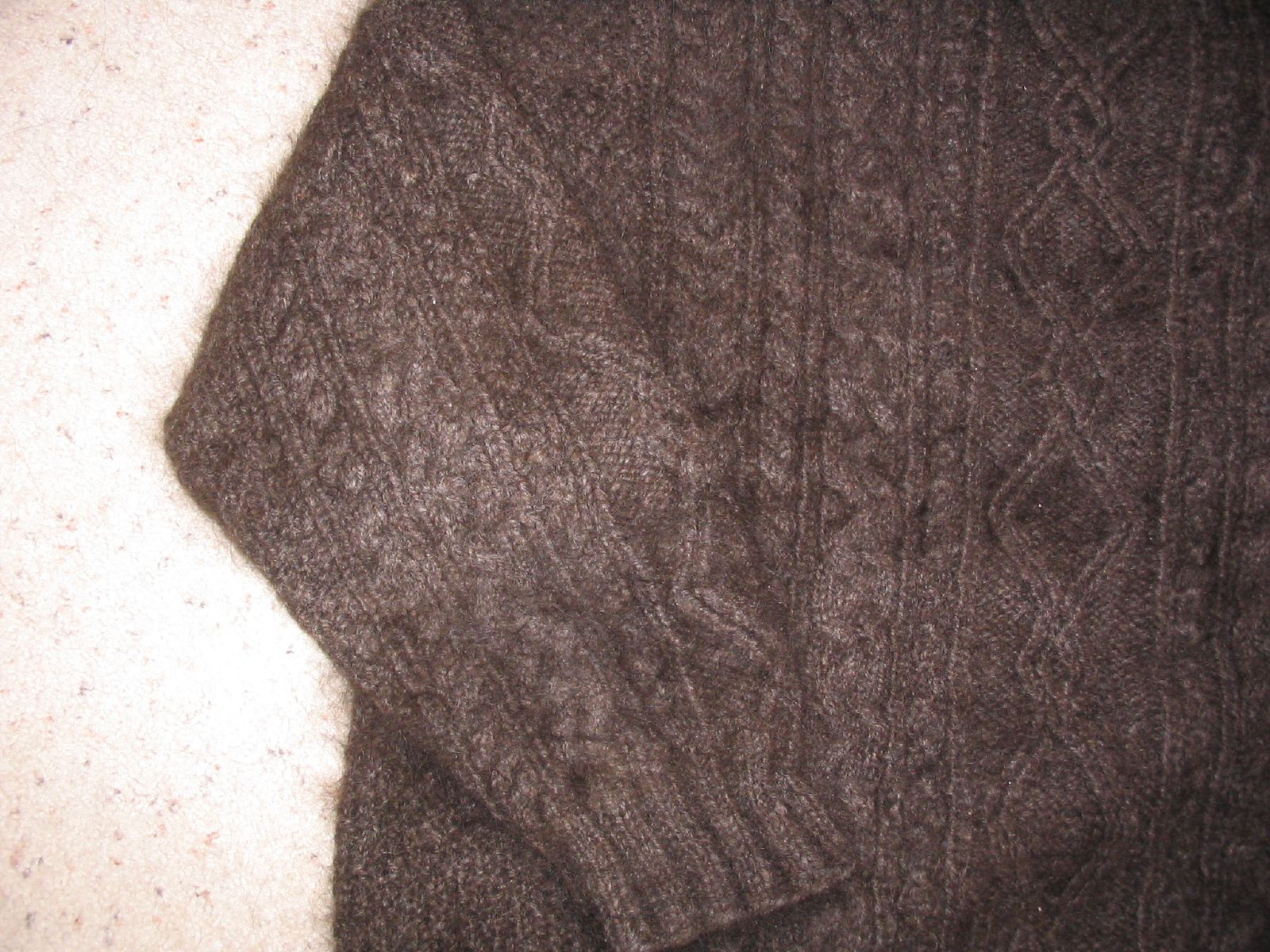
Once clean and completely dry, fold the sweater rather than hanging it. Before longer storage, clean it by its permitted method and periodically check for moisture or insects. Woolmark recommends these checks alongside folded storage to help preserve garment shape. (woolmark.com)
For the next wash, use this short checklist:
- Permission: Does the label allow washing at home?
- Method: Hand wash or machine wash—and at what temperature?
- Detergent: Is it suitable for wool?
- Handling: No scrubbing, pulling or wringing.
- Drying: Flat unless tumble drying is explicitly allowed.
- Storage: Fully dry, folded, and checked periodically. (woolmark.com)
The useful routine is the one verified for that sweater—not the most convenient routine borrowed from another garment.