Uncategorized · 27 November 2026
How to Layer for a Cold Commute and a Warm Office
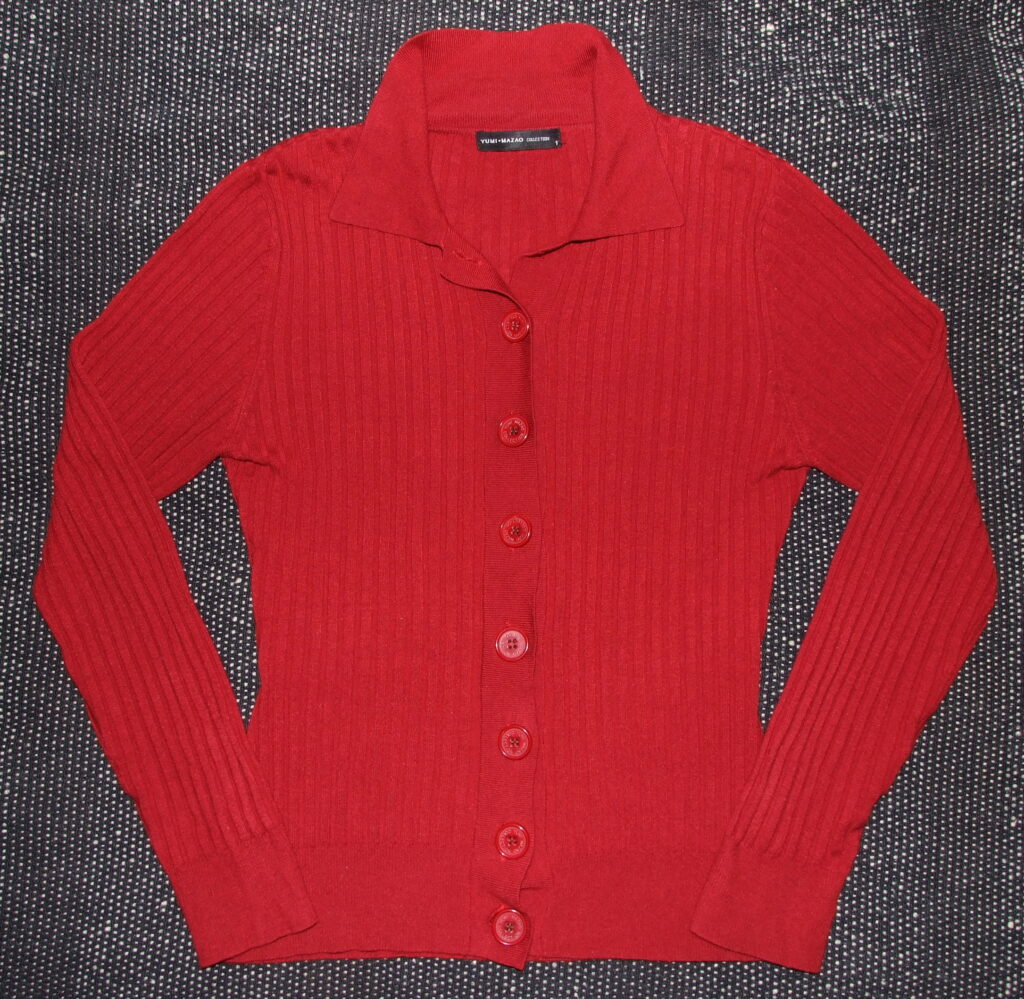
Quick answer: Build a complete, comfortable office outfit first, then add warmth you can remove: a cardigan or other middle layer, weather-appropriate outerwear, and accessories. Avoid making a heavy thermal top your only presentable indoor option. Choose layers you can adjust during the journey, not just after reaching your desk.
1. Start with the outfit you want to wear indoors
Before choosing a coat, put together the clothes you would comfortably wear through a working day. Ask: If I remove every extra layer, am I still dressed appropriately for my office?
That might mean trousers and a short-sleeve knit, a skirt and blouse, or dark jeans and a long-sleeve T-shirt. Check coverage, neckline, and your workplace’s expectations without relying on a sweater to hide anything.
Then plan the removable pieces:
- Office outfit: The clothes you expect to keep on.
- Adjustable warmth: A cardigan, sweater, vest, or suitable jacket.
- Outdoor protection: A coat or shell selected for the conditions.
- Accessories: A scarf, hat, and gloves as needed.
These are roles, not a compulsory shopping list. One insulated coat may provide both insulation and weather protection; you do not automatically need a separate shell.
The underlying layering principle is well established: a base manages moisture next to the skin, a middle layer provides insulation, and an outer shell protects against weather. An everyday office outfit can adapt those roles without looking like hiking clothing. (cdc.gov)
2. Plan for the journey’s changing conditions
Think through your commute in stages: walking outside, waiting, boarding heated transportation, walking again, and sitting indoors. Identify where you usually feel cold and where you begin wanting to take something off.
For each transition, decide what you can realistically change:
| Part of the day | Practical adjustment to plan |
|---|---|
| Outdoor walk or wait | Wear the protection the conditions require |
| Heated train or bus | Remove your scarf or open outerwear when comfortable |
| Arrival at work | Take off the coat and reassess the middle layer |
| Warm afternoon | Remove the middle layer without compromising the outfit |
| Journey home | Check conditions again before leaving |
Do not wait until you are thoroughly sweaty to make an adjustment. CDC guidance advises removing one or more layers when you start sweating in very cold weather, because sweating increases heat loss. (cdc.gov)
For that reason, consider a cardigan or zip-front layer if you often change temperatures in crowded spaces. You can open it without pulling clothing over your head.
This is an outfit-planning guide, not an extreme-cold clothing prescription. During extreme cold, prioritize protective clothing, covered skin, and shelter over a particular silhouette. The National Weather Service also advises changing into dry clothes after coming indoors if you are wet. (weather.gov)
3. Choose fabrics by function, not fiber name alone
Use fabric composition as a starting point, not a promise that a garment will suit every part of your day.
Wool’s natural crimp helps trap insulating pockets of still air, and wool fibers can absorb moisture vapor. These are useful properties, but they do not establish how warm, comfortable, or weather-resistant an individual garment will be. Woolmark explains these fiber characteristics; its guidance is an industry reference rather than a test of the clothes in your wardrobe. (woolmark.com)
When comparing possible layers, check the actual garment:
- Next to skin: Can you comfortably wear it for the whole day?
- Under another sleeve: Does it lie smoothly without bunching?
- As the middle layer: Can you open or remove it easily?
- As outerwear: Does the manufacturer specify the protection you need?
- For repeated use: Are its care requirements manageable for you?
For a long or active cold-weather journey, give moisture management particular attention. CDC’s cold-climate layering examples include wool, silk, and polypropylene base layers, an insulating middle, and a weather-protective shell. That is guidance for cold exposure—not a requirement to replace every everyday office top with technical clothing. (cdc.gov)
If you are shopping, distinguish the published fiber composition from garment-level claims about insulation, waterproofing, or breathability. When those details are absent, treat performance as unknown rather than filling the gap with assumptions.
4. Check sleeves, necklines, and movement together
Try the whole combination, including your bag, before deciding it works. NIOSH recommends loose layers for insulation and cautions that clothing can restrict movement. (cdc.gov)
Use these practical checks:
Sleeves: Put on the top, middle layer, and coat. Bend your elbows and reach forward. If sleeves twist or bunch, try a narrower inner sleeve, a roomier outer sleeve, or a sleeveless middle layer.
Necklines: Decide which neckline you want visible. A crew neck under a V-neck cardigan or an open collar under a jacket are options to try—not universal rules. If a high neck already feels too warm indoors, choose a lower neckline and use a removable scarf outside.
Coat closure: Fasten the coat over the intended outfit. Do not assume a coat that fits over a T-shirt will also accommodate a substantial sweater.
Seated fit: Sit as you would at your desk. Type, cross and uncross your legs, and reach toward an imaginary drawer. Check waistbands, shirt buttons, skirt movement, and jacket shoulders.
Removal: Take off the middle layer. Check whether your shirt rides up, cuffs turn inside out, or the remaining outfit needs extensive rearranging.
If the combination fails, change one component before buying anything. Try a cardigan instead of a pullover, or reserve the blazer for indoors rather than squeezing it beneath the coat.
5. Try three adaptable outfit formulas
Treat these as starting combinations using clothes you may already own. Their warmth will depend on the garments, conditions, activity, and your preferences.
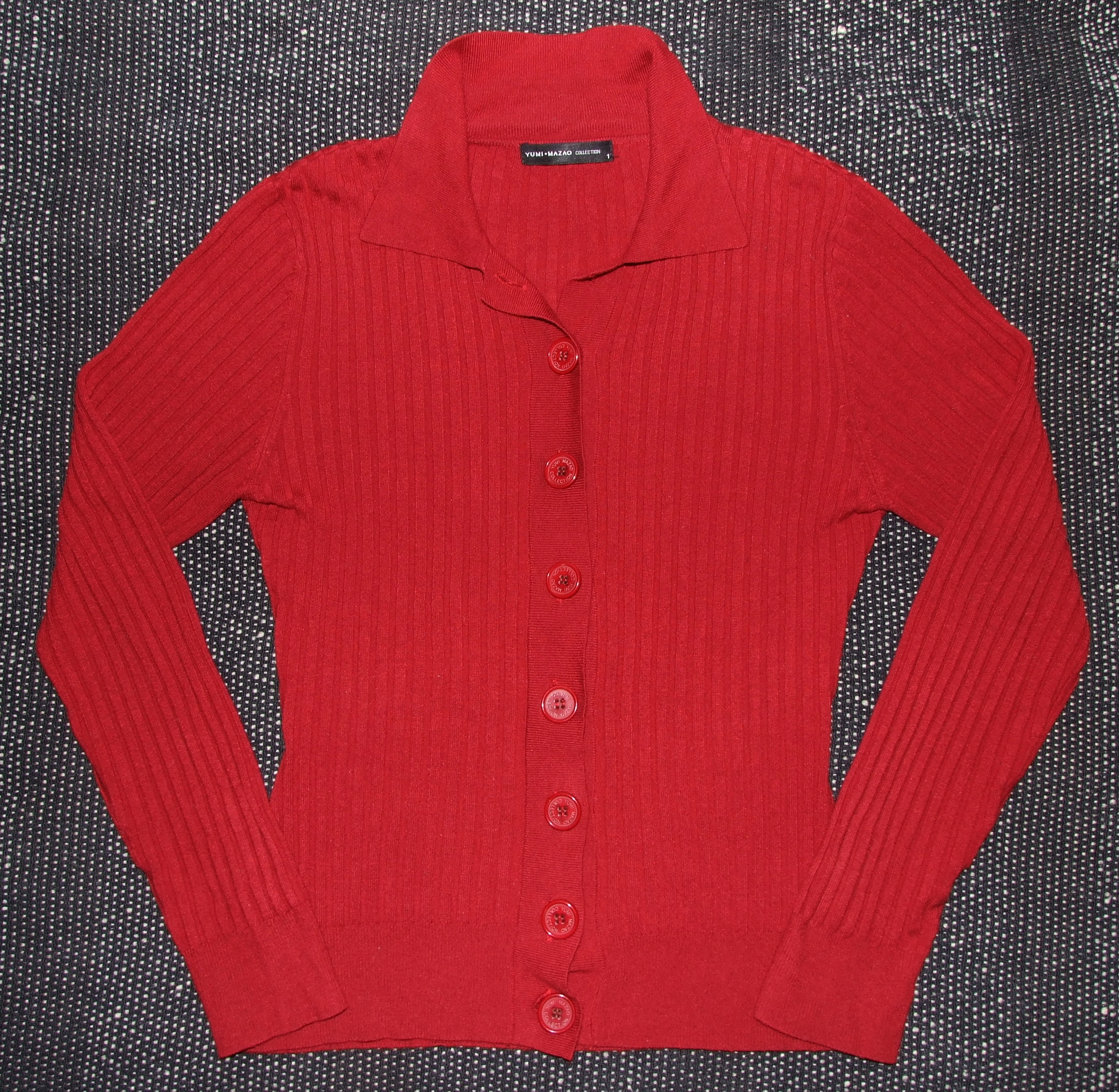
Trouser-based: light top + cardigan + coat
Start with straight-leg or comfortably tailored trousers and an office-appropriate top. Add a cardigan, suitable outerwear, and commuting shoes.
For a restrained look, try repeating one color between the trousers and cardigan. Alternatively, use a brighter cardigan as the main accent.
Existing-wardrobe alternative: Substitute a sweater you already own, provided the top underneath works independently and removal is practical.
Skirt-based: blouse or knit + removable middle + coat
Choose a skirt you can comfortably walk and sit in, then add a blouse or light knit, a cardigan or jacket, and appropriate outerwear.
Treat tights as part of the indoor outfit unless you have a realistic place to change. If heavier tights feel uncomfortable in the office, consider changing at work or choosing trousers on days when your skirt combination cannot meet the outdoor conditions comfortably.
Check skirt and coat hems together while walking, not just standing at a mirror.
Relaxed dress code: tee + overshirt or cardigan + outerwear
Where your dress code permits, combine jeans or relaxed trousers with a presentable T-shirt and an overshirt, cardigan, or zip-front knit.
Try keeping the palette simple if you want a quieter, more polished effect. Before adding a blazer, check whether it serves a workplace purpose or simply creates another piece to carry.
6. Work through one outfit from door to desk
Suppose you walk to a station, ride a heated train, then walk to an office that usually feels warm. Your workplace accepts tailored trousers and a simple top.
Try this combination:
- Navy trousers.
- An opaque, office-appropriate short-sleeve top.
- A button-front cardigan.
- Weather-appropriate outerwear.
- A scarf, hat, and gloves when conditions call for them.
- Suitable commuting footwear.
Before leaving, sit down in the complete outfit and check the trouser waistband. Fasten the coat, reach forward, and put your bag on your shoulder. Remove the cardigan once to make sure the top stays comfortably in place.
On the train, adjust removable pieces if you begin feeling too warm rather than keeping everything fastened until arrival. That follows CDC’s advice to reduce layers when sweating starts. (cdc.gov)
At work, remove the outerwear and assess whether you want the cardigan. Keep it accessible rather than burying it in your bag.
If you remain too warm without it, reconsider the indoor top next time. If you are cold outside, reassess outdoor protection before making the all-day outfit heavier. This is a planning example, not a tested temperature-rated combination.
7. Give footwear and discarded layers a destination
For cold, wet exposure, NIOSH recommends waterproof, insulated boots. Whether you need those features for a particular commute depends on the conditions and exposure involved. (cdc.gov)
If your office shoes are unsuitable for the journey, consider changing at work. Keeping a pair there may be more convenient than carrying shoes daily, if workplace storage allows it.
Try your commuting shoes with the socks or tights you intend to wear. Walk in the full outfit and check that trouser hems stay clear of the ground.
Also decide where every removed item will go:
- Coat: A designated hook, hanger, or coat-storage area.
- Cardigan: An accessible shelf, drawer, or clean bag space.
- Hat, scarf, and gloves: One pouch or compartment.
- Wet footwear: An approved area away from clean clothing.
- Spare top or socks: A separate dry compartment if you choose to carry them.
Follow garment care instructions for drying and storage. If clothing becomes wet, prioritize changing into dry clothes rather than continuing to wear it through the day. (weather.gov)
8. Fix the common mistakes before adding more clothes
Mistake: The only presentable top is the thickest layer.
Build the indoor outfit first so removing warmth remains an option.
Mistake: Every layer fits separately, but not together.
Repeat the seated, reaching, and coat-closure checks in the complete outfit.
Mistake: The blazer is doing too many jobs.
If it is necessary indoors but awkward under your coat, consider carrying it or keeping it at work where practical.
Mistake: Warmth is added where it cannot easily be removed.
Before choosing heavier all-day underwear or tights, ask whether a removable middle layer or different outdoor garment better addresses the problem.
Mistake: There is no plan for the return trip.
Keep your outdoor accessories together and check conditions before leaving work.
Before heading out, ask:
- Can the indoor outfit stand alone?
- Can I adjust warmth during the journey?
- Can I sit, reach, and walk comfortably?
- Are the shoes and outerwear appropriate for the conditions?
- Do I have somewhere for everything I remove?
Aim for an outfit that works in stages—not one fixed bundle you have to tolerate all day.